
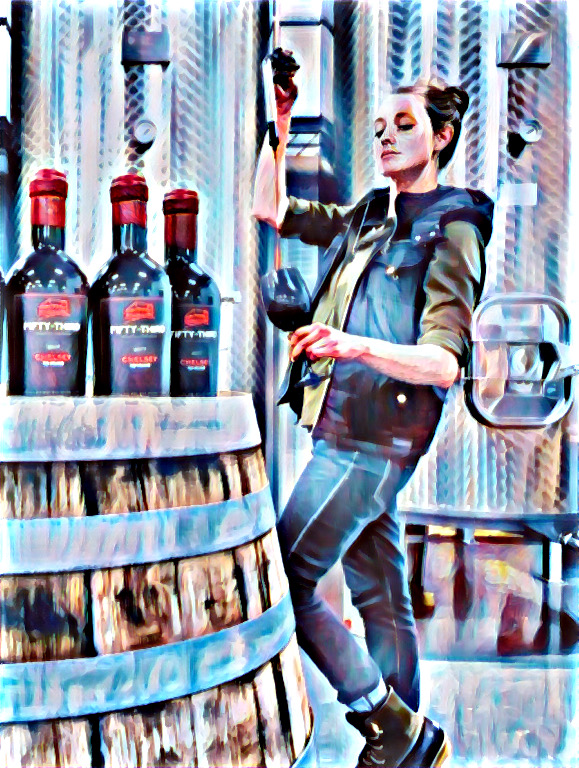
Chelsey Blevins is a Virginia native and first-generation winemaker for 53rd Winery in Piedmont, Virginia. She has been diligently crafting wine in the Virginia Piedmont since 2014. Blevins became winemaker at Fifty-Third Winery in 2019 after five years apprenticing under former winemaker Graham Bell. Her wine career began in 2014 with a harvest position at Horton Vineyards, where she discovered a passion for winemaking. She later worked in Barboursville Vineyards’ Wine Library while studying viticulture at Piedmont Virginia Community College. After joining Fifty-Third as assistant winemaker, she quickly moved into the lead role. Chelsey is committed to expressing Virginia’s distinctive landscape through wine and believes the state has the potential to produce world-class wines. Media Inquiries: Chelsey.winemaker@gmail.com | https://53rdwinery.com/
What’s the ONE THING most unique, authentic, & memorable about your brand?
What makes Fifty-Third Winery and Vineyard unique is its story of transformation and renewal. Founded in 1999, the winery was purchased by Dave and Susan Drillock in 2015 and has since been transformed from a neglected property into a premier Virginia wine destination—without abandoning its roots.
The original winery became known for small-lot sweet and dessert wines that developed a loyal following. When Dave took over, he kept those wines under the original label while investing in the future. The winery was renamed Fifty-Third, a nod to its distinction as Virginia’s 53rd licensed farm winery.
The transformation began with a new production facility, completed in 2018, replacing the cramped tractor shed where wine was previously made. The vineyard has undergone an equally ambitious rejuvenation, with individual blocks being replanted at tighter spacing and the soil allowed to rest between plantings. Sustainable practices and vineyard health are now central to the long-term vision. The winery wasn’t built from scratch. It was brought back to life.
Describe how and what you’d do with your winemaking career or winery business if you were not constrained.
If money and regulations were no object, I’d love to experiment with cofermented wines and herbal digestifs. I’m particularly interested in cofermenting hybrid and vinifera varieties at crush to create unconventional blends—Chardonel with Chardonnay, Nebbiolo with Petra, or San Marco with Cabernet Franc. The challenge is practical: the grapes need to ripen at the same time, and I don’t currently have access to all the varieties. The Chardonel-Chardonnay coferment, however, is one I believe I can make happen with the right Virginia Chardonnay site. Stay tuned.
I’m also fascinated by herbal fortified wines, using foraged ingredients such as juniper, dandelion root, Appalachian mountain mint, yarrow, spicebush, sumac and violets. I’d like to create something that works both on its own and in cocktails, with the botanicals changing seasonally.
And then there’s the more distant dream: wine and cannabis working together rather than competing for consumers. It may be a pipe dream, but I’d love to see what could happen if the two industries collaborated instead of fighting for the same audience.
What is the One Wine most emblematic of your brand and/or winemaking style? Tell us its story.
I would say that the wine that is the most emblematic of our brand and winemaking style is one of our premier red blends called ‘Romulus’. Back in 2019, we decided that we really wanted to craft a “flagship” wine that was a blend of our best grapes and aged in our best barrels. The blend does vary slightly year to year based on the quality of the fruit we can produce. However, the base wine of this blend is always Cabernet Sauvignon; then I layer in Petit Verdot and sometimes bits of Merlot or Cab Franc to help elevate complexity.
The name Romulus came from the owners’ beloved Clydesdale Horse who unfortunately passed away during COVID. We wanted to honor his great legacy and decided his name should go on our best bottle. That says everything about our owners and who we are as human beings. We are a collective of individuals who simply love our land, love our families and friends, and simply want to produce the best that our vineyard can offer. We want to bring folks together over a great glass of wine and share stories about those great pets we loved and lost, stories of our triumphs and failures, stories of humility and progress, and sometimes grief. That’s the beauty of our lives, of our wines, and of our brand. Read my Romulus Red Blend wine review here.
Bonus Question: What are your wholehearted convictions related to the wine business?
One of my strongest convictions about the wine industry is that hybrid grapes are overlooked and underutilized. When I first entered the industry, I noticed that regions with thousands of years of winemaking history planted varieties that naturally suited their climate and terrain. Why fight Mother Nature when you can work with her?
Virginia has a challenging climate—heat, humidity, heavy rainfall, disease, insects and other vineyard pressures. Yet we continue planting many classic vinifera varieties that struggle here, creating inconsistency in wine quality. I believe hybrids could be part of the solution. Why not plant grapes that require less spraying, maintenance and heartache? They can make farming more sustainable and economically viable, particularly for small producers.
The problem is perception. The word hybrid carries baggage, thanks in part to the association with GMOs. These grapes can also produce unfamiliar flavors that some consumers interpret as inferior simply because they aren’t traditional. I think that’s silly. I want to grow what makes the best wine on my site. I’m not interested in pretension; I want to make wines that show what my land can do. So my challenge to winemakers is simple: be bold, experiment, respect your land and plant what works best for your site.