
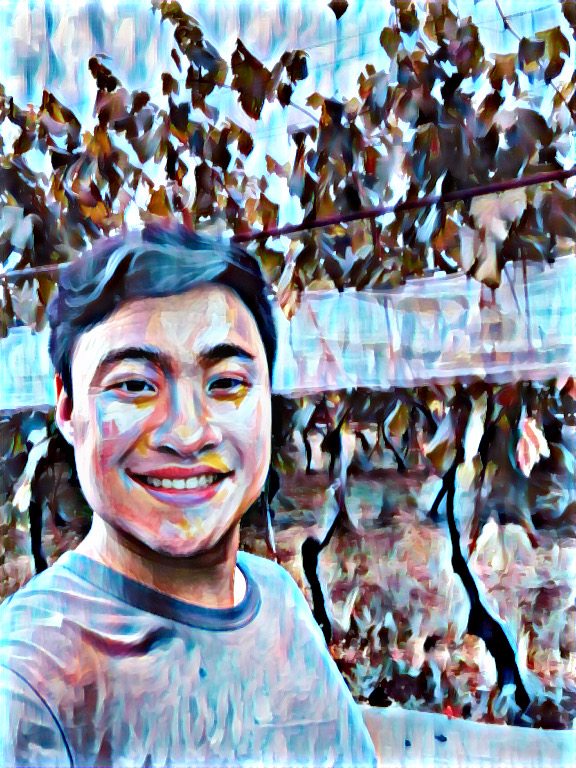
Kevin Zhang is co-proprietor of Bluebird Hill Cellars in Monroe, Willamette Valley, OR. He and his wife Cleo Song acquired the property in 2025. He grew up in Changchun, China, and came west to study engineering at UC San Diego. His career has been in technology, including eight years at Tesla working across supply chain automation and engineering software, building the systems that keep complex operations running smoothly. Wine found him the way it finds many people in California, simply by being everywhere, and he followed his curiosity into it. He earned his WSET Level 2 certification and developed a particular appreciation for value-driven wines from Spain and Italy. For Kevin, wine has never been about prestige. It is about story, craft, and the pleasure of a good bottle shared with good company, a philosophy that shapes how he approaches both the cellar and the tasting room at Bluebird Hill. Media Inquiries: Andrew Garsetti toppedoffcomms@gmail.com | https://www.bluebirdhillcellars.com/
What’s the ONE THING most unique, authentic, & memorable about your brand?
We didn’t grow up in wine. We’re the second family to steward this hill. The founders planted the first vines in 2013 with money gifted by a grandmother, and when we became owners, we kept her name on our flagship wine and their story at the center of ours. We fell in love with the property as guests, not heirs. Not long ago, that was us.
That perspective shapes our winery. We believe the traditional tasting room—with its bar, wine list and transaction—is the least interesting thing a winery can offer. We want guests to feel welcomed into a home in the Oregon countryside: unhurried, personal and connected to the seasons. Hospitality that is personal enough not to scale.
We want people to develop a connection to the hill, its story and its seasons. We’d rather be a small winery that a few thousand people genuinely love and return to than a larger one everyone merely likes. Bluebird Hill is our bet that in an industry chasing scale, the most valuable thing a winery can make people feel is at home.
Describe how and what you’d do with your winemaking career or winery business if you were not constrained.
Our dream isn’t national distribution. The industry already has plenty of wine sold that way. We want to make Bluebird Hill a place people build traditions around while growing the winemaking side to match.
On the property, that means turning the workshop into a wood-fired pizza kitchen using produce from the garden; summer movies in the vineyard featuring Oregon classics like The Goonies and Stand by Me; walking trails with benches and signs telling the property’s history; and wine-glass holders along the rows so guests can wander with a glass. Chili cook-offs, pie contests and harvest gatherings would make the winery a community gathering place, not another stop on a tasting itinerary.
On the wine side, we want to grow beyond what our own vines can supply. Oregon and Washington have excellent fruit and bulk wine looking for a home, giving us an opportunity to expand production by sourcing from growers we trust rather than waiting years for new plantings. We’re also developing a custom-label program for businesses, putting quality Oregon wine behind their own stories.
What is the One Wine most emblematic of your brand and/or winemaking style? Tell us its story.
If you can only try one wine, it has to be Mom’s Block Reserve Pinot Noir, because the whole story of Bluebird Hill is in the name. When the founders planted the original 300 vines here in 2013, it was Sue’s mother who retroactively gifted them the funds to pay for those vines. The reserve Pinot has carried her name ever since, and when we took over the winery, keeping that name was never a question.
It’s built to be one of our highest expressions of the site. The core is Pommard clone Pinot Noir, which brings a distinctive spice and dark-cherry character, rounded out with small percentages of other clones that shift a little each year with the vintage. We ferment in small one-ton bins with manual punch-downs and occasional pump-overs, settle the wine briefly off its gross lees, then move it to barrel. For the first six months we do weekly bâtonnage; after that the wine simply rests, for a total of 24 months in barrel before bottling, which is unusually long for the Willamette Valley. We believe that patience is what makes the wine feel finished: generous and approachable the day you open it, but with the structure to reward a decade in the cellar.
It’s the wine that best captures who we are. Patient, family-made, and named in gratitude for the person who made the first vines possible. Stay tuned, this wine review is coming soon!